Audio Software Licensing Models Explained for Creators
Audio Software Licensing Models Explained for Creators
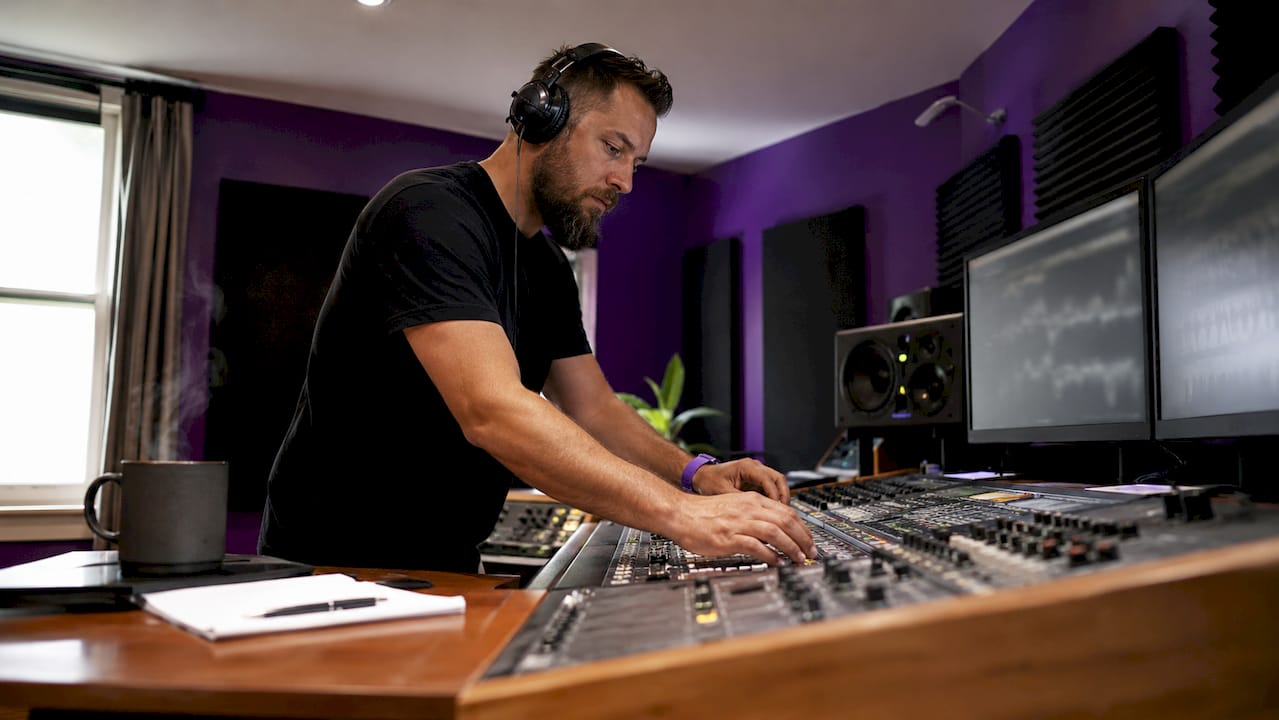
Audio software licensing models define the legal rights, payment structures, and usage limits that govern every digital audio tool you install and use professionally. The industry standard term for this framework is "end-user license agreement" (EULA), but the commercial structure sitting beneath it, whether perpetual, subscription, concurrent, or usage-based, determines your real costs and creative freedom. Platforms like Rekordbox, VirtualDJ, and tools built on VST3, AU, and AAX formats each apply these models differently. Choosing the wrong structure costs you money and can expose you to legal risk. Getting it right starts with understanding each model on its own terms.
What are the main audio software licensing models?
Audio software licensing models fall into four primary categories: perpetual, subscription, concurrent (floating), and usage-based. Each carries distinct cost structures, access rules, and practical trade-offs for audio professionals.
Perpetual licenses
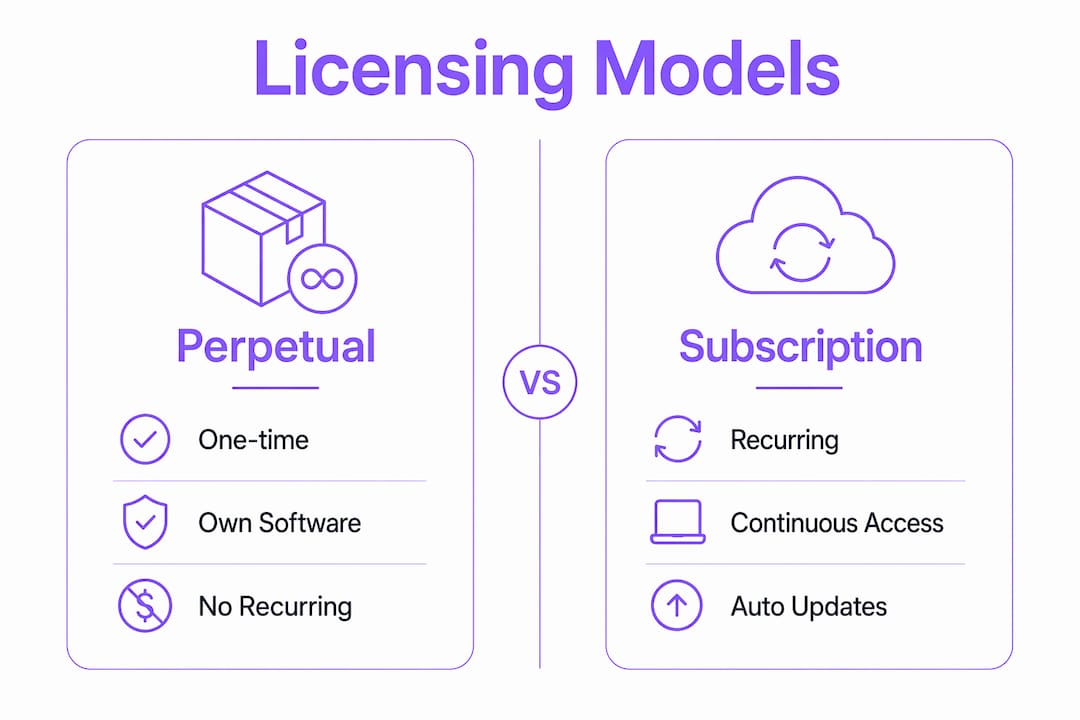
A perpetual license requires a single upfront payment. You own that version of the software permanently, with no recurring fees. Major upgrades, such as moving from version 2 to version 3, typically cost extra. Perpetual licenses carry high upfront cost but zero recurring fees, making them the preferred choice for power users who plan to use the same tool for years. A producer who buys a perpetual license for a mixing plugin in 2026 keeps full access to that version indefinitely, even if the developer discontinues the product.
Subscription licenses
Subscription licenses charge a recurring fee, monthly or annually, in exchange for continuous access and automatic updates. The entry cost is lower than perpetual, which makes subscriptions attractive for creators who want the latest features without a large initial payment. The catch is long-term cost. Subscriptions can exceed perpetual costs after two to three years, depending on upgrade cycles. A $30 per month subscription costs $720 over two years. A comparable perpetual license might cost $400 upfront.
Concurrent (floating) licenses
Concurrent licensing, also called floating licensing, assigns a fixed number of active seats that any user on a network can share. A studio with 20 engineers but only 8 working simultaneously needs only 8 seats. Floating licenses reduce software costs by 30–50% where simultaneous usage stays limited. This model suits post-production houses, game audio teams, and broadcast facilities where not every seat runs the software at the same time.
Usage-based licenses
Usage-based licensing bills you based on consumption metrics: cloud render time, number of exports, or processing hours. This model scales with project volume, making it ideal for studios with unpredictable workloads. A small creator who renders 10 tracks a month pays far less than a facility processing 500. The risk is cost unpredictability during high-output periods.
Pro Tip: Audit your actual daily plugin use before committing to any model. Many audio professionals pay for all-access subscriptions but rely on three or four tools consistently. A mixed approach, perpetual licenses for core tools and subscriptions for experimental ones, often cuts total spend significantly.
| License type | Payment structure | Best for | Key trade-off |
|---|---|---|---|
| Perpetual | One-time fee | Long-term power users | High upfront cost |
| Subscription | Monthly or annual | Creators needing latest updates | Ongoing expense adds up |
| Concurrent (floating) | Per active seat | Teams with shared workstations | Requires license server |
| Usage-based | Per consumption unit | Variable-volume studios | Unpredictable billing |
How do software licenses differ from content licenses in audio?
Software licenses and content licenses are two separate legal instruments. Confusing them is one of the most common and costly mistakes audio professionals make.
A software license grants you the right to use the tool itself. It does not transfer ownership of the software code, and it does not grant rights to redistribute or resell anything embedded in the software. Standard royalty-free audio tool licenses allow perpetual use but restrict redistribution of software samples. Buying a perpetual license for a sample-based instrument does not mean you can sell those samples as a standalone pack.
Content licenses govern what you can do with the audio you create or use. The main categories are:
- Royalty-free licenses: You pay once and use the content without per-use fees. The term "royalty-free" does not mean free of charge. It means free of ongoing royalty payments.
- Rights-managed licenses: Fees scale based on usage scope, territory, and distribution channel. A track licensed for a regional TV ad costs less than the same track licensed for a global campaign.
- Sync licenses: These cover pairing music with video. Sync licensing fees range from $250 for minor placements up to $500,000 for major commercial uses. The gap reflects distribution scope and audience size.
- Performance rights: Governed by organizations like ASCAP, BMI, and SESAC in the United States. These cover public performance of music, separate from sync or mechanical rights.
A critical nuance: licensing scope, including term, territory, and distribution, often dictates cost more than the license price alone. A broader distribution footprint triggers higher fees regardless of which software you used to create the content.
Pro Tip: Keep a simple spreadsheet tracking every content license you hold: the source, expiration date, permitted uses, and territory. When a project scope expands, check your content licenses first. Software licenses rarely need updating when a project grows. Content licenses almost always do.
Understanding the difference between software rights and audio output rights protects you from accidental infringement and renegotiation costs mid-project.
What are the cost implications of different licensing models?
Cost analysis for audio software agreements goes beyond comparing sticker prices. The right model depends on how often you use the software, how many people need access, and how long you plan to stay on the same version.
Perpetual licenses demand a higher upfront investment. That cost can feel steep for independent creators, but it eliminates recurring fees entirely. A professional who uses the same DAW or plugin suite for five years with a perpetual license pays once. A subscription user pays every month of those five years. Selecting license models without auditing actual usage leads to overspending. The mixed-model approach, perpetual for daily workhorses and subscriptions for tools you test or use occasionally, is the most cost-effective structure for most professionals.
Privacy and offline access are underrated cost factors. Perpetual licenses remain vital in professional audio for privacy, offline use, and permanent tool ownership. Studios in regions with unreliable internet, or professionals working on confidential projects, often favor perpetual licenses specifically because they require no cloud authentication.
The hybrid subscription-to-perpetual model addresses both concerns. JetBrains pioneered this structure in software development: subscribe for continuous updates, but retain perpetual rights to the last active version if you cancel. This hybrid licensing is increasingly popular for professional audio tools because it balances continuous updates with license permanence. You get the latest features while subscribed, and you keep a functional version if you stop paying.
Practical factors to weigh before signing any audio software agreement:
- Upgrade frequency: If a developer releases major updates annually, a subscription often costs less than buying each upgrade separately.
- Team size and simultaneous use: Floating licenses save money for teams. Individual creators rarely benefit from them.
- Project duration: Short-term projects favor subscriptions. Long-term studio infrastructure favors perpetual licenses.
- Offline requirements: Cloud-authenticated subscriptions fail without internet. Perpetual node-locked licenses work offline by design.
Pro Tip: Before renewing any subscription, export a list of every plugin or tool included. Cross-reference it against your session files from the past six months. If you used fewer than half the included tools, a targeted perpetual license purchase likely costs less over the next two years.
What are the emerging licensing trends in audio software for 2026?
The audio software market in 2026 shows a clear shift toward flexibility. Vendors recognize that rigid licensing structures push professionals toward piracy or toward competitors offering better terms.
Trial licenses have become a standard conversion tool. Most professional plugin developers now offer 14-day or 30-day fully functional trials before requiring purchase. This reduces buyer risk and increases the likelihood that a creator commits to the right model for their workflow. Rekordbox and VirtualDJ both offer tiered licensing structures that mix free tiers, subscription options, and one-time purchase paths within the same product.
Node-locked licenses tie software activation to a specific machine. Floating licenses tie activation to a network seat count. For solo creators, node-locked perpetual licenses offer the cleanest ownership experience. For teams, floating licenses tied to a license server provide the most flexibility. The emerging hybrid subscription-to-perpetual model is now regarded as a new standard for balancing access and ownership across the audio software industry.
Cloud-synced SaaS components are appearing inside traditionally offline audio tools. A DAW might store project metadata in the cloud while keeping audio processing local. This creates a split licensing situation: the software license covers local processing, while a separate service agreement governs cloud storage and sync. Read both documents before committing.
Enterprise software trends in 2026 show that consumption-based and hybrid models are gaining ground across the technology sector, and audio software is following the same trajectory. Developers who offer flexible licensing options for audio retain more professional users long-term than those locked into a single model.
For creators interested in open-source audio tools, the licensing picture looks different. Open-source licenses like GPL and MIT grant modification and redistribution rights that commercial licenses never include. The trade-off is limited support and fewer guarantees around real-time performance.
Key Takeaways
Audio software licensing models determine your legal rights, total cost, and creative flexibility. Choosing the right model requires matching payment structure to actual usage patterns and project scope.
| Point | Details |
|---|---|
| Perpetual vs. subscription cost | Subscriptions can exceed perpetual costs after two to three years depending on upgrade frequency. |
| Floating licenses save team money | Concurrent licenses reduce costs by 30–50% where simultaneous usage stays limited. |
| Software and content licenses are separate | A software license grants tool use rights; a content license governs distribution and monetization of audio output. |
| Sync license fees vary widely | Sync licensing costs range from $250 for minor placements to $500,000 for major commercial use. |
| Hybrid models offer the best balance | Subscription-to-perpetual licensing lets you keep a working version if you cancel, protecting your investment. |
Why the licensing model you pick matters more than the price tag
Most creators I talk to focus on the monthly fee or the one-time price. That is the wrong starting point. The question that actually determines your total cost is: how often do you use this tool, and under what conditions?
I have seen producers pay for all-access subscription bundles for two years before realizing they used the same four plugins in every session. A targeted set of perpetual licenses for those four tools would have cost less in year one and nothing in year two. The math is not complicated. The discipline to audit before buying is what most people skip.
The subscription fear I hear most often is losing access to finished work. Project files remain accessible locally even after a license lapses. The software stops running, but your files do not disappear. The professional mitigation is simple: export stems and mixdowns to standard formats like WAV or AIFF at the end of every project. That habit protects you regardless of what happens to your license.
The trend I find most encouraging is the hybrid subscription-to-perpetual model. It treats professionals like adults. You get updates while you subscribe, and you keep a working version if you stop. That structure respects both the developer's need for recurring revenue and the creator's need for stability. More vendors should adopt it.
One thing the market still gets wrong: pricing a license higher does not automatically grant more rights. Costlier licenses do not always grant more rights. Usage scope parameters, territory, distribution channel, and term length determine legal permissions. Read the scope clauses before you assume a premium license covers your use case.
— Kai
Explore Vector-dsp's approach to audio software licensing
Vector-dsp builds professional audio plugins for VST3, AU, and AAX formats, designed for music producers and sound engineers who need precision and real-time performance. The licensing structure behind each tool reflects the same intentional design philosophy applied to the DSP architecture itself. Whether you are evaluating a perpetual license for a core effects processor or exploring flexible options for a growing studio setup, Vector-dsp's audio software gives you clear terms and tools built to perform. For a deeper look at the DSP technology behind the plugins, the DSP algorithm types guide explains how licensing options align with specialized processing architectures.
FAQ
What is a perpetual audio software license?
A perpetual license is a one-time purchase that grants permanent access to a specific software version. Major upgrades typically require an additional fee, but the base version remains yours indefinitely.
Can I lose my audio projects if my subscription lapses?
Project files saved locally remain accessible after a subscription ends. The software stops running, but your files are not deleted. Exporting stems and mixdowns to WAV or AIFF at project completion eliminates this risk entirely.
What is a floating license in audio software?
A floating license, also called a concurrent license, allows a set number of users to share active seats across a network. It reduces costs for teams where not everyone uses the software at the same time.
Is a royalty-free sample license the same as owning the sample?
No. A royalty-free license grants you the right to use the sample without paying per-use fees. It does not transfer ownership, and it does not allow you to resell or redistribute the sample as a standalone product.
What is a hybrid subscription-to-perpetual license?
This model lets you subscribe for ongoing updates while retaining perpetual rights to the last active version if you cancel. It is increasingly common in professional audio software and balances update access with long-term ownership security.